Discover Effective Methods to Tackle Hard Starting Problems
Dealing with engines that struggle to start can be frustrating and time-consuming. These issues often arise from common problems affecting small motors, such as those in lawnmowers or chainsaws. Understanding the root causes and learning how to address them is crucial. This guide will provide you with practical solutions and tips to ensure your engine starts smoothly every time.
Identifying Common Causes of Hard Starting Engines
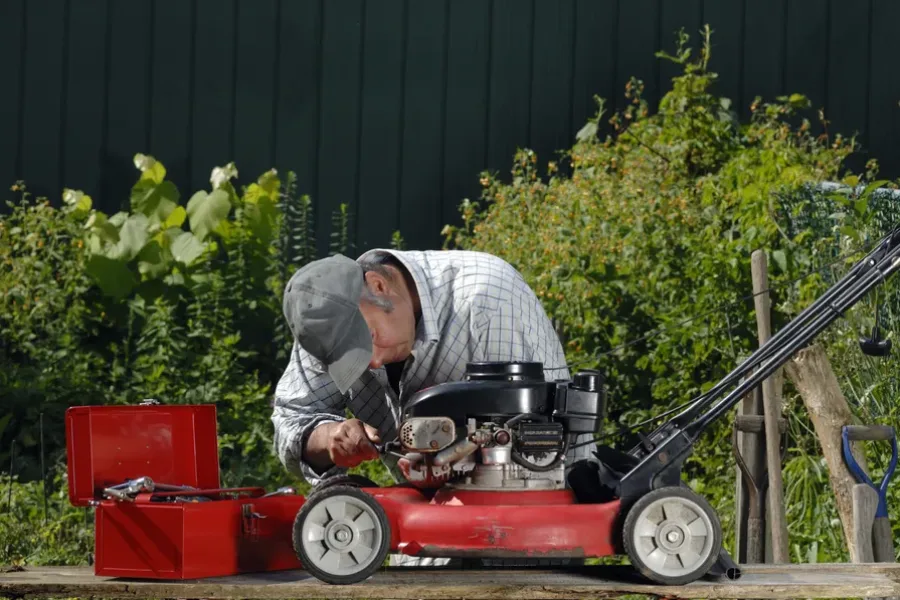
When an engine refuses to start easily, it could be due to several factors. Typical culprits include a dirty air filter, old spark plugs, or stale fuel. Ensuring regular checks on these components can help prevent starting issues:
- A clogged air filter restricts airflow, leading to inefficient combustion.
- Spark plugs that are worn out may not ignite the fuel-air mixture effectively.
- Fuel that has been sitting too long can lose its volatility, making ignition difficult.
The Importance of Regular Maintenance
Regular maintenance plays a crucial role in preventing hard starting problems. Adhering to a maintenance schedule ensures all parts function optimally. For example, replacing the air filter regularly keeps the airflow unobstructed, while inspecting spark plugs ensures they are in good condition. Consistently using fresh fuel also minimizes start-up failures.
Effective Small Engine Repair Strategies
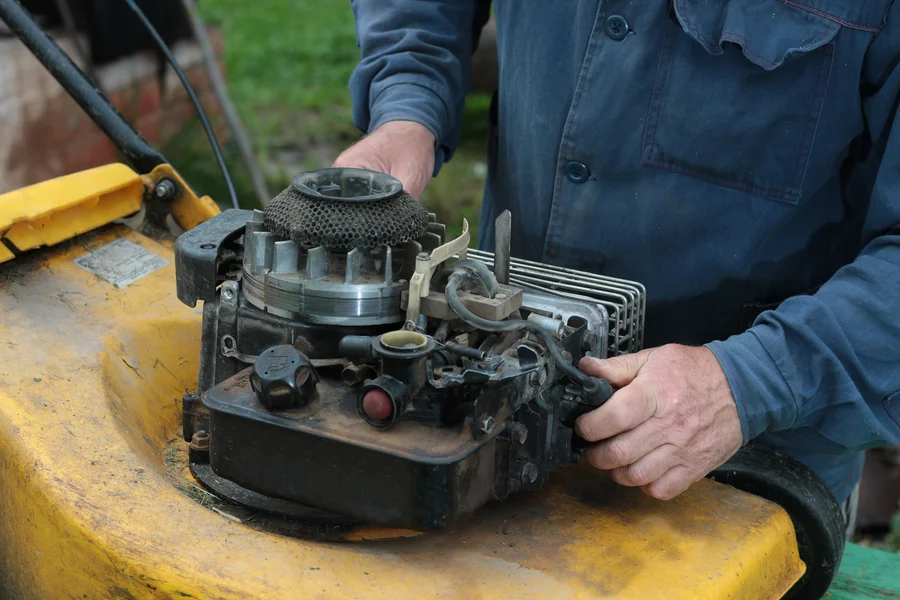
Implementing effective repair strategies is key to resolving and preventing hard starting issues. Proper techniques in small engine repair, such as cleaning carburetors and checking ignition systems, can make significant improvements. By addressing each component systematically, you reduce the risk of encountering persistent starting troubles.
Adopting Best Practices for Smooth Engine Operation
To maintain a well-functioning engine, it’s wise to follow industry best practices. This includes storing equipment properly during off-seasons and avoiding moisture exposure. Additionally, performing regular oil changes helps maintain lubrication within the engine, ensuring smoother operations and reducing wear.
Understanding Industry Standards and Compliance
Knowing the relevant industry standards can help you align your maintenance practices accordingly. For instance, EPA regulations often require specific emissions control measures. By staying informed about these standards, you ensure both compliance and optimal engine performance.
Considering Cost and Value in Small Engine Repairs
The cost of maintaining and repairing small engines varies depending on the issue at hand. Investing in quality components and skilled labor can offer better long-term value by extending the lifespan of your equipment. It’s essential to weigh initial costs against potential savings from reduced breakdowns and repairs over time.
Final Thoughts on Reliable Engine Performance
Keeping your small engines running efficiently requires consistent care and attention to detail. By implementing the suggested solutions and maintenance routines discussed above, you’ll minimize downtime and extend the life of your equipment. Reach out to Mechanics Marin LLC for expert assistance and further advice tailored to your needs. Based in Stone Mountain, GA, we are ready to support you with top-tier services. Contact us today at (404) 826-6034 for more information.